

What You’ll Learn
Can I store things around my heating oil tank?
With caution, yes. Storing things on top of or directly around your heating oil tank blocks off easy access for technicians and can cause safety hazards.
Make sure to leave 2 feet of distance around and above the tank when storing anything near it.
In this blog
Four boxes of Christmas decor flooded Josie’s basement.
They sat up against the right side of her heating oil tank, and she hadn’t thought to move them before the technician showed up for an inspection.
What she didn’t know, and what the technician couldn’t see, was that the boxes were hiding a small leak.
If it had been caught, it would have been an easy fix.
Instead, covered up by those unassuming boxes, the leak festered until Josie’s basement was full of oil puddles.
Give Your System Room to Breathe
To keep your heat running reliably when it’s freezing out, our delivery drivers and techs need quick, clear access to two main spots: the fill pipe outside your house and the tank sitting in your basement.
The Outside Fill and Vent Pipes
When our driver hooks up the delivery hose, they rely on a whistling sound coming from the vent pipe. That whistle tells us air is escaping and lets the driver know the tank is getting full.
If those pipes are buried under heavy snow, hidden by overgrown bushes, or blocked by clutter, we can’t deliver your oil safely.
The Tank Body and Valves
During a routine tune-up or an emergency call, a technician has to check the entire tank surface—the support legs, the shutoff valve, the fuel line, and the gauge.
If the unit is boxed into a tight dark corner or hidden behind storage bins, a proper safety check is basically impossible.
Understanding What Your Delivery Driver Is Up Against
Our drivers work in the worst weather of the year—navigating pitch-black ice, freezing rain, and knee-deep snowdrifts.
An oil delivery hose isn’t like a lightweight garden hose, either. When it’s sub-zero outside, that rubber gets thick, stiff, and heavy as iron. Dragging 150 feet of frozen hose over thorny bushes, around parked cars, or across an unplowed driveway is a massive safety hazard.

If the path to your fill pipe is completely buried or blocked, a driver might have to mark the delivery as unreachable to avoid getting hurt or damaging your property.
We want to get you your fuel, but we have to keep our crew safe, too.
Why Tank Clearance Really Matters
Keeping space open around your equipment isn’t just about making our jobs easier; it protects your home.
- Preventing Rust and Moisture: Steel tanks need air circulating around them, especially in damp basements. When you stack cardboard boxes or clothes right up against the metal, moisture gets trapped, accelerating rust from the outside in.
- Catching Drips Early: A tech needs a clear 360-degree view around the unit. Dark spots under the tank legs or a weeping valve can only be caught before a disaster hits if the space is wide open and easy to see.
- Fast Action in an Emergency: If a valve fails or a fuel line springs a leak, every second counts. You don’t want a technician scrambling to move lawnmowers or plastic storage totes just to reach the main emergency shutoff valve.
Safe Clearance Recommendations
To maintain a safe home environment and comply with standard industry guidelines, aim for the following clearance margins around your heating oil equipment:
| Location / Component | Minimum Recommended Clearance | Purpose |
|---|---|---|
| Indoor Tank (Sides & Front) | 2 feet (24 inches) | Allows room for technicians to walk around and inspect all seams and valves. |
| Indoor Tank (Top) | 1.5–2 feet (18–24 inches) | Provides space to read gauges, inspect vent alarms, and service top fittings. |
| Combustible Materials | 3–5 feet | Keeps flammable items like cardboard, wood, and paint away from heating equipment. |
| Outdoor Fill Pipe Path | 3-foot-wide clear pathway | Ensures drivers can safely pull and maneuver delivery hoses without tripping. |
| Outdoor Fill & Vent Pipes | 2 feet of open space around caps | Prevents plants, snow, or debris from clogging vents or hiding the fill cap. |
Common Pitfalls: Outdoor Landscaping and Basement Storage
It’s easy for daily life to encroach on the space around your oil system. We frequently see these common mistakes:
Outdoor Landscaping Mistakes
- Overgrown Shrubs: Planting fast-growing bushes like boxwoods, junipers, or holly near the fill pipe creates a barrier. Over time, branches conceal the fill cap and trap moisture against outdoor tanks. Plants with large roots can also crack the cement slab the tank is resting on, forcing it to tilt.
- Lack of Seasonal Clearing: Allowing tall grass, weeds, fallen tree limbs, or winter snowdrifts to bury the fill pipe or obscure the path from the driveway.
Basement Shelving and Storage Issues
- The “Utility Room Closet” Effect: Treating the space surrounding a basement tank as extra storage space. Stacking cardboard boxes, seasonal decorations, paint cans, or plastic totes directly against or on top of the tank.
- Permanent Shelving Construction: Building fixed wooden shelving units or partition walls too close to the tank, blocking access to the rear seams, fuel lines, or tank legs.
Smart Ways to Hide Your Tank Without Blocking Access
Look, we get it. Nobody wants a large steel tank or utility pipes acting as the centerpiece of their landscaping or finished basement.
You can make things look nice without trapping your equipment, though:
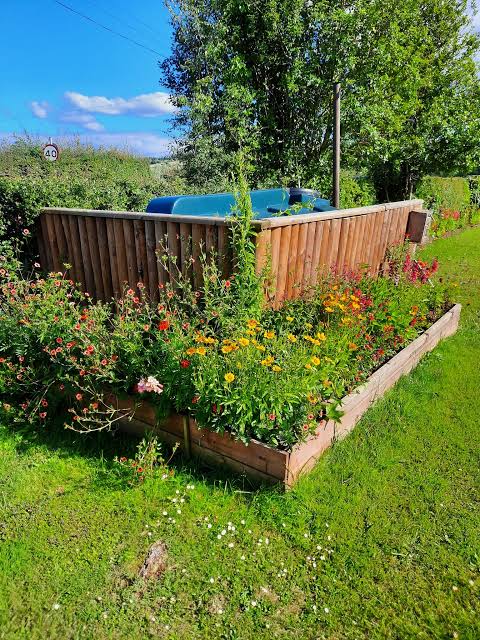
- Hinged Lattice Panels (Outdoors): Build a lightweight screen around an outdoor unit, but use removable hinges or a wide gate so a tech can swing it wide open when service day comes.
- Movable Container Plants: Instead of planting permanent, prickly shrubs right in front of your fill pipe, use large potted evergreens or ornamental grasses. You can easily slide them out of the way before the truck pulls into the driveway.
- Sliding Dividers or Curtains (Indoors): In a basement, use folding fabric screens, sliding barn doors, or simple curtain tracks instead of drywalling a cramped closet around the tank.
- Faux Decorative Boulders: If you have ground-level vent pipes, lightweight hollow fake rocks protect them from yard debris and lift off in two seconds when the driver arrives.
Stay Clear, Stay Warm
Keeping your heating oil tank accessible is one of the simplest, most effective ways to ensure easy fuel deliveries and stress-free service visits.
By clearing a path outdoors and keeping a two-foot safety zone around your tank indoors, you protect your home, keep your service team safe, and ensure your family stays warm all winter long.
Contact Sperr’s Fuel and Heating to sign up for Automatic Delivery for your heating oil needs.

FAQs
How much snow clearance do I need to provide for an oil delivery?
You should clear a path at least 3 feet wide from your driveway or street directly to your fill pipe. Additionally, clear a 2-foot radius around the fill cap itself and ensure your driveway is plowed and sanded so the heavy delivery truck can safely park and access your property.
Is it safe to store household items on top of my basement oil tank?
No. Storing boxes, tools, or clothing on top of an oil tank can damage the fuel gauge, strain pipe fittings, and block vital airflow. Heavy items can also create a fire hazard if placed near burner electrical components or hot exhaust flues.
What happens if a delivery driver cannot access my fill pipe?
If a driver encounters overgrown brush, locked gates, unsafe ice, or buried pipes, they may deem the site unsafe and postpone your delivery. This can result in delayed refills and potential delivery rescheduling fees.
Can I build a closet around my basement oil tank to hide it?
You can enclose an oil tank, provided you build in adequate clearance (at least 2 feet on all sides) and include a full-sized door or removable panel. The enclosure must also have proper ventilation to prevent moisture accumulation and fumes.