

What You’ll Learn
How does water get into an oil tank, and why does it matter?
Water can enter an oil tank through condensation, moisture around the fill or vent pipes, or other openings that allow water inside.
Once water is in and settles at the bottom of the tank, it can cause corrosion, sludge buildup, and fuel system problems over time.
In this blog
Water and oil don’t mix.
End of story.
But inside your heating oil tank, that simple fact can become a much bigger problem.
Water can collect at the bottom of the tank through condensation or enter from outside. It may not cause an immediate issue, but over time, it can contribute to internal corrosion, sludge buildup, fuel system problems, and even tank failure.
The tricky part? You may not know it’s happening until the damage has already started.
The good news is that there are a few straightforward ways to minimize the risk.
How Water Gets Into an Oil Tank
There are two main ways water can end up inside an oil tank: condensation and water entering from outside the tank.
Condensation is one of the most common sources. An oil tank isn’t filled with heating oil. The space above the oil contains air, and that air contains moisture. When temperatures fluctuate, that moisture can condense on the inside walls of the tank, much like droplets forming on the outside of a cold glass.
The more space inside the tank, the more air and moisture there is available to condense. Over time, those droplets can collect at the bottom of the tank.
Water can also enter from outside the tank. Problems with the fill pipe, vent, fittings, or other components can create opportunities for rain or other moisture to get inside.
Why Partially Empty Tanks Are More Susceptible to Condensation
A partially empty tank has more air inside it.
More air means more moisture available to condense when temperatures change.
This is particularly relevant during periods when you’re using less heating oil. As the fuel level drops, the amount of air inside the tank increases. Temperature changes can then create more opportunities for moisture to form and collect at the bottom.
That’s one reason keeping your tank reasonably full can help minimize condensation.
It doesn’t mean you need to obsess over the gauge or keep the tank full at all times. You still need room for a delivery and normal operation.
The point is simply to avoid leaving a large amount of space in the tank for extended periods when possible.

Indoor vs. Outdoor Oil Tanks: Does It Matter?
Yes.
Both indoor and outdoor tanks can develop condensation, but outdoor tanks generally have more exposure to the conditions that contribute to moisture and temperature fluctuations.
Indoor Tanks
Indoor tanks are protected from rain, snow, and direct outdoor exposure. Temperatures are also generally more stable inside a basement or utility area.
That doesn’t make condensation impossible.
A partially empty indoor tank can still develop moisture, particularly as temperatures fluctuate throughout the year.
Outdoor Tanks
Outdoor tanks have to deal with the weather.
Rain. Snow. Humidity. Freezing temperatures. Thawing temperatures. Summer heat.
All of that means greater temperature fluctuations and more opportunities for moisture-related problems.
Outdoor tanks should also be inspected for water pooling around the tank, damaged fittings, and conditions that could allow rain or snow to reach areas where it shouldn’t.
So, if you have an outdoor tank, don’t just look at the gauge.
Look at the tank.
How To Know If Your Oil Tank Already Has a Water Problem
This is where things get a little less obvious.
You usually can’t look at the outside of your tank and know for certain whether water is sitting at the bottom.
However, some signs can indicate a potential problem.
Watch for:
- Frequent fuel filter problems: Repeatedly clogged filters can indicate that water, sludge, or sediment is entering the fuel system.
- Repeated burner issues: Ongoing fuel-related problems may warrant having the tank and fuel system checked.
- Rust or corrosion: Pay particular attention to corrosion around the bottom of the tank, where water can collect internally.
- A tank that is deteriorating faster than expected: Significant or worsening corrosion can indicate that moisture has been affecting the tank.
- Recurring fuel-flow problems: Restrictions or other repeated issues with fuel delivery can sometimes be related to water or sludge buildup.
- Water or sludge found during an inspection: A technician may be able to identify accumulation that you can’t see from outside the tank.
None of these automatically means “there’s water in your tank.”
That’s an important distinction.
They are reasons to have the tank and fuel system checked.
A technician can determine whether water, sludge, corrosion, or another issue is contributing to the problem.
What To Do If You Think There’s Water in Your Tank
Don’t start taking fittings apart yourself.
Seriously.
A heating oil tank is part of a fuel storage and delivery system. If you suspect water or sludge has accumulated, the safest approach is to have a professional inspect it.
A technician can evaluate the tank, check for corrosion and other damage, and determine whether water or sludge is present.
From there, the appropriate solution depends on the tank’s condition.
Sometimes the issue can be addressed through maintenance or removal of accumulated water and sludge.
If corrosion has significantly weakened the tank, replacement may be the better option.
The important thing is to find out what’s actually happening before making a decision.
That’s the whole point of an inspection.
What Happens When Water Sits in an Oil Tank
Here’s where a small amount of water can become a bigger problem.
Water Can Cause Internal Corrosion
When water settles at the bottom of a steel tank, it can begin corroding the metal from the inside.
And that’s the tricky part.
You may not see it happening.
A tank can look perfectly fine on the outside while corrosion develops beneath the surface.
Over time, that corrosion can weaken the tank and increase the risk of a leak.
Water Can Contribute to Sludge
Water can also contribute to sludge and sediment collecting at the bottom of the tank.
Heating oil naturally contains some sediment, and over time that material can settle. When water is present, it can contribute to sludge buildup at the bottom of the tank.
Eventually, that material can cause problems for the fuel system.
Water Can Lead to Fuel System Problems
Your heating system needs clean, consistent fuel flow.
Water and sludge can interfere with that.
Depending on how much has accumulated and where it travels, water or sediment can contribute to clogged filters, restricted fuel lines, burner problems, and other heating system issues.
So, no, water isn’t just sitting there minding its own business.
It can affect the whole system.
How to Minimize Condensation in Your Oil Tank
The good news is that homeowners can take a few simple steps to reduce the risk of moisture-related problems.
Keep Your Oil Tank Reasonably Full
One of the simplest ways to reduce condensation is to avoid keeping your tank nearly empty for long periods.
A fuller tank leaves less air space inside, which means less moisture available to condense.
This is particularly important during times of year when you’re using less oil. Even if you’re not actively heating your home, occasional top-offs can help keep the tank at a reasonable level and reduce the amount of space where condensation can form.
If you’re on automatic delivery, your fuel provider can help manage deliveries based on your home’s usage.
If you’re on will-call delivery, keep an eye on your gauge and consider scheduling a top-off before the tank gets too low, even during the warmer months when you aren’t using much oil.
Have Your Tank Inspected Annually
You don’t need to stare at your oil tank every morning.
That’s what inspections are for.
An annual inspection can help identify corrosion, sludge, water accumulation, damaged fittings, and other issues before they become major problems.
It’s especially important for older tanks and outdoor tanks, where corrosion can progress more quickly.
Keep Outdoor Tanks Clear
If your tank is outside, keep the area around it clear.
Don’t let weeds, shrubs, or other vegetation grow against the tank. Vegetation can hold moisture against the steel and make it harder to spot developing rust or corrosion.
You also want technicians to be able to see and access the tank during deliveries and inspections.
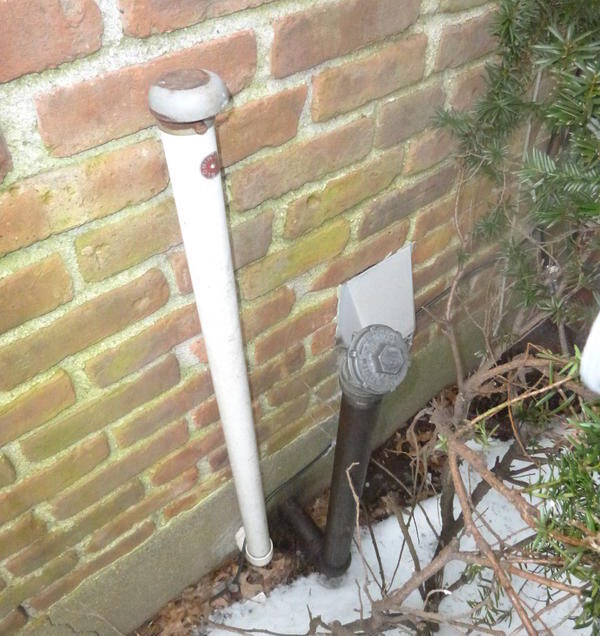
Check the Fill and Vent Pipes
The fill and vent pipes are important parts of the tank system. Damage, loose connections, or improper sealing can create opportunities for water to enter.
If you notice damage around these components, don’t ignore it.
Have the system inspected and corrected by a qualified professional.
Don’t Wait for Water to Become a Bigger Problem
Water inside an oil tank is easy to overlook because it doesn’t always cause an immediate problem.
That’s exactly why it’s worth paying attention to.
Condensation can develop gradually. Water settles at the bottom. Corrosion takes time. Sludge accumulates.
Then one day, a fuel filter is clogged, or the heating system isn’t running as it should, and you’re dealing with a problem that started much earlier.
Keeping your tank reasonably full, maintaining the area around it, and scheduling regular inspections can help prevent that chain of events.
And if you suspect there’s already water or sludge in the tank, don’t guess.
Give us a call at Sperr’s to have somebody take a look.

FAQs
Can condensation cause an oil tank to rust?
Yes. Condensation can collect at the bottom of the tank, where water settles beneath the heating oil.
If that water remains in contact with a steel tank, it can contribute to internal corrosion that may eventually weaken the tank.
Why is it important to keep an oil tank full?
A partially empty tank has more air space inside, which means more moisture is available to condense as temperatures change.
Keeping the tank reasonably full reduces that air space and can help minimize condensation.
Should I top off my oil tank during the summer?
If you’re using very little oil during the warmer months, occasional top-offs can help keep the tank at a reasonable level and reduce the amount of space where condensation can form.
Your oil provider can help you determine an appropriate delivery schedule.
Are outdoor oil tanks more likely to have condensation?
Outdoor tanks are exposed to greater temperature fluctuations, which can increase opportunities for condensation.
They are also exposed to rain, snow, and humidity, so it’s important to regularly check the tank, fittings, and surrounding area for signs of moisture or corrosion.
Can water in my oil tank cause my furnace to stop working?
It can contribute to fuel system problems that affect heating system operation. Water and sludge may interfere with fuel flow or contribute to clogged filters and other issues.
If your heating system is having recurring fuel-related problems, the tank and fuel system should be inspected.
What should I do if I think there is water in my oil tank?
Contact your heating oil provider or a qualified technician for an inspection.
They can determine whether water or sludge is present, evaluate the tank’s condition, and recommend the appropriate next step.
Avoid attempting to open or modify the tank yourself.