

What You’ll Learn
Is inspecting my water heater really necessary?
Yes, especially if you have hard water where you live. Hard water eats away at the anode rod, and after a few years it will be completely disintegrated. This leaves your water heater and its heating element exposed to rust, corrosion, and eventual leaks or failure.
Even if you don’t have hard water, water heater inspections are still recommended to catch small issues before they become big, expensive problems.
In this blog
“There I was, shivering and late.”
Mary listened to her neighbor’s story about his lack of hot water with a slack jaw.
She’d never given her own water heater a second thought… as far as she knew, it was busy doing its thing in the basement.
Her neighbor’s story was giving her pause.
She wasn’t going to forget her water heater again, or her family would risk ending up in icy water.
Service Frequency: Stop the “Run-It-Till-It-Dies” Cycle
Let’s be honest: when was the last time someone inspected your water heater?
For most homeowners out here, the answer is “never.”
Most folks wait until the tank starts leaking or stops heating water entirely before they pick up the phone.
The trouble is, by the time you’re standing in cold water, repair usually isn’t an option anymore. Now you’re forced into an emergency replacement on short notice—and that’s an expensive surprise nobody wants.
The Recommended Frequency: Once a Year
Just like your oil furnace, your water heater should receive a professional inspection and service once every 12 months.
It’s pretty simple, really. An annual checkup keeps the unit running efficiently, maintains your water pressure at the right level, and catches small mechanical issues before they cause a flooded basement.
What Actually Happens During a Service Visit
When our techs service your water heater, we aren’t just glancing at it.
Here is what’s going on behind the scenes:
1. Flushing the Sediment
Over time, naturally occurring minerals settle at the bottom of your tank.
It’s basically like trying to boil a pot of water with a layer of sand sitting at the bottom—your burner has to work twice as hard to heat the water through all that gunk.
Flushing that sediment stops the tank from overheating and gets rid of those weird popping or rumbling noises you hear at night.
2. Testing the Temperature & Pressure (T&P) Relief Valve
Every water heater has a pressure relief valve. It’s your system’s primary safety net. If pressure builds up too high, that valve opens up so the tank doesn’t burst.
We manually test the lever to make sure it opens and seals completely shut. A stuck valve is dangerous, and a weeping valve means pressure is building up where it shouldn’t.
3. Inspecting Burners or Heating Elements
Depending on your system type, we will inspect the primary heating source:
- Oil or Gas Units: We inspect and clean the burner assembly, check flame quality, clear draft openings, and ensure clean combustion.
- Electric Units: We test the upper and lower heating elements for scale buildup to make sure they don’t burn out prematurely.
4. Checking Venting and Exhaust Systems
For oil-fired or gas water heaters, proper venting is critical for family safety. We check flue pipes and chimney connections for rust, corrosion, gaps, or obstructions (such as bird nests or soot) that could cause carbon monoxide to backdraft into your living spaces.
5. Verifying Thermostat Operation and Temperature Settings
We check the unit’s thermostat calibration to ensure the water temperature matches the dial setting. Setting your system to 120°F strikes the ideal balance between preventing scalding, slowing mineral scale formation, and maintaining household energy efficiency.
How You Benefit From Regular Service
Investing in an annual checkup for your water heater pays off across your entire household budget.
- Double the lifespan: A clean, well-maintained tank can easily last 12 to 15 years, whereas a neglected unit choked with sediment usually fails in 6 to 8 years.
- Lower monthly bills: Getting rid of scale means heat transfers directly into your water without wasting energy.
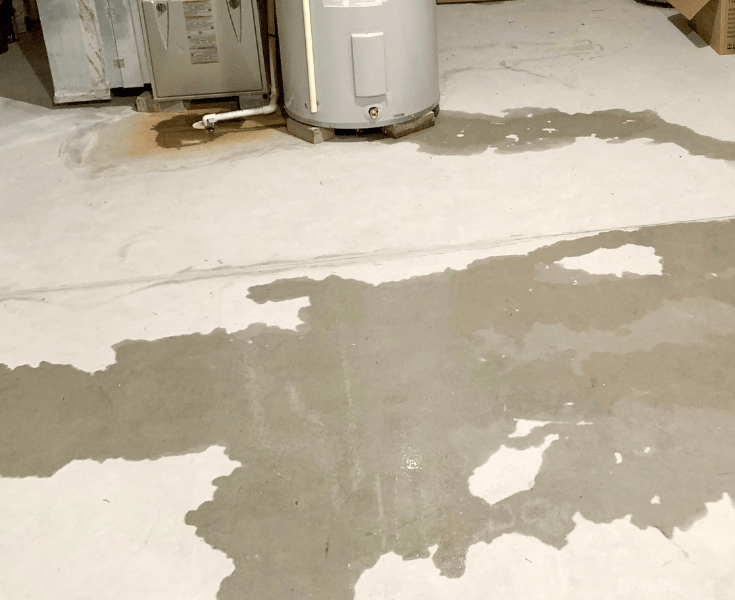
- Protection for your basement: A standard tank holds 40-80 gallons of water under pressure. Catching a weak valve or a rusting seam early is the only thing standing between you and a flooded, ruined basement.
The Bottom Line
You don’t have to wait for a puddle on the floor or a cold morning surprise to think about your hot water supply.
Adding a quick water heater inspection to your regular fall furnace maintenance is just smart homeownership, providing your family with security and comfort.
Slow and steady maintenance always beats emergency repairs.
Call Sperr’s Fuel and Heating today to schedule your inspection.

FAQs
How long does a standard water heater usually last?
With regular annual maintenance, a conventional tank water heater typically lasts 10 to 15 years. Without routine maintenance—such as annual flushing and anode rod checks—sediment buildup and interior corrosion can cause the tank to fail in as little as 6 to 8 years.
Why is my water heater making a loud popping or banging noise?
Loud popping or rumbling sounds are caused by steam bubbles forcing their way through a thick layer of mineral sediment at the bottom of the tank. Flushing the tank clears out this debris, stops the noise, and restores efficient heat transfer.
What is a T&P relief valve, and why is it important?
The Temperature and Pressure (T&P) relief valve is a critical safety feature that automatically releases water if heat or pressure inside the tank reaches unsafe levels. Regular testing ensures the valve isn’t stuck closed, which prevents dangerous pressure buildup and tank damage.
Can I service my water heater at the same time as my oil furnace?
Yes! Combining your water heater maintenance with your annual fall furnace tune-up is an efficient way to take care of both appliances in a single service visit. It ensures your home heating and hot water systems are fully prepared for the cold winter months ahead.