

What You’ll Learn
What do renters need to know about heating oil, and who is responsible for what?
If you’re renting a home that uses oil heat, it’s important to clearly understand who is responsible for what, from paying for deliveries to monitoring the tank and handling service.
Without that clarity, renters can face unexpected costs or even run out of heat during the coldest months.
In this blog:
You move into a new home and notice something different: an oil tank.
It’s not a problem. Your new landlord told you they’ve kept it because it works so well at keeping the home toasty.
But, you find yourself wondering:
“Is this something I need to manage?”
“How does it actually work?”
“Do I need to do anything differently?”
That’s what oil heat is for most renters: not complicated, just unfamiliar at first.
Once you understand how it works and who’s responsible for what, it becomes just another normal part of your home.
Why Oil Heat Can Be Confusing for Renters
Unlike gas or electric heat, oil is delivered directly to your home and stored in a tank. That means someone needs to:
- Monitor how much oil is left
- Schedule deliveries
- Make sure the system is running properly
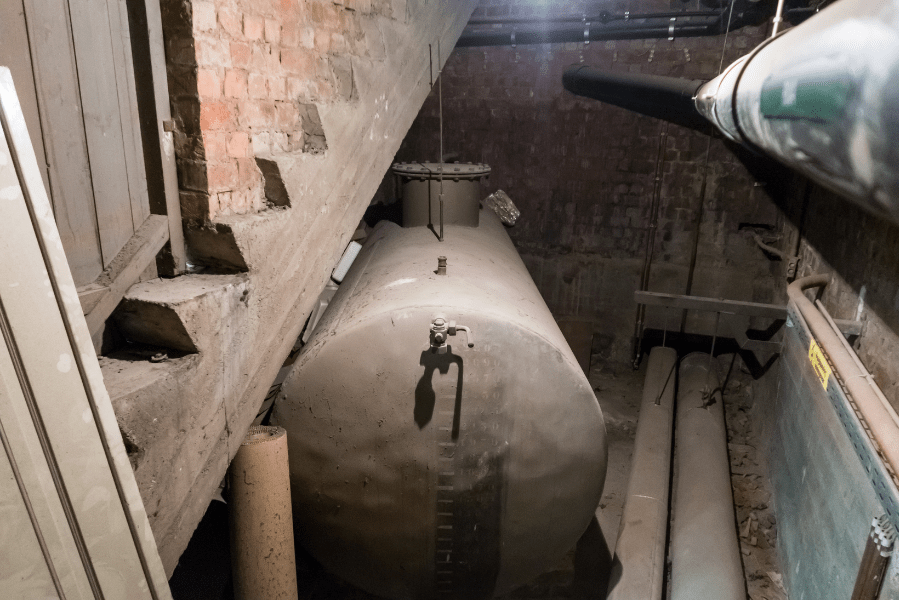
For renters, the biggest confusion usually comes down to one question: “Is this my responsibility—or my landlord’s?”
The answer depends on your lease, which is why it’s important to clarify expectations early.
Understand The Responsibilities for Oil Heating
Before you settle into a home with oil heat, the most important step is understanding who is responsible for what.
Unlike other utilities, oil heat may involve shared responsibilities between tenant and landlord.
Who Pays for Heating Oil?
The first thing every renter should confirm is who is responsible for paying for heating oil.
This can vary:
- Some landlords include heating oil in the rent
- Others require tenants to pay for and schedule deliveries themselves
If you’re responsible, you’ll need to:
- Monitor your tank level
- Schedule deliveries before you run low
- Pay for each delivery as it’s made
If your landlord handles it, you may still want to keep an eye on the tank and notify them when levels get low.
The key is simple: don’t assume—always confirm.
What Else in the Home Uses Heating Oil?
While the heating system is the primary use, it’s important to confirm whether anything else in the home runs on oil.
In some oil homes, the water heater may also be powered by heating oil. This means your oil usage isn’t just tied to keeping the home warm; it may also include your daily hot water use.
Why this matters:
- Your tank may empty faster than expected
- Oil usage may continue even in warmer months
- You may need deliveries year-round, not just in winter
If you’re responsible for paying for oil, this is especially important to clarify with your landlord. Knowing exactly what your oil supply is used for helps you plan deliveries more accurately and avoid surprises.
Who Handles Annual Furnace Service and Maintenance?
Heating systems should be serviced once a year to ensure safe and efficient operation, including both the furnace and the oil tank.
Annual service typically involves:
- Inspecting and cleaning the furnace
- Checking the oil tank for signs of wear, corrosion, or leaks
- Ensuring all components are operating safely and efficiently
The typical setup in rental situations is:
- Landlords are responsible for scheduling annual maintenance and inspections.
- Tenants are responsible for reporting any issues or concerns they notice.
Still, it’s important to confirm this in your lease to avoid confusion about who is responsible for scheduling and paying for the service.
Who Is Responsible for Repairs or Replacement?
If something goes wrong with the heating system, it’s important to know who to contact—and who is responsible for covering the cost.
In most rental situations:
- Landlords are responsible for major repairs, such as furnace issues, tank problems, or system failures
- Landlords are also responsible for full system replacements, including replacing an aging or failed furnace or oil tank
- Tenants are responsible for reporting problems promptly and not allowing issues to go unaddressed
If you notice things like:
- No heat
- Unusual noises or smells
- Oil usage dropping faster than expected
- Visible issues with the tank or system
It’s important to report them right away. Waiting can make the problem worse and may lead to longer periods without heat.
While tenants are not typically responsible for repair or replacement costs, delays in reporting issues can create bigger complications. Clear, timely communication helps ensure problems are resolved quickly, and your home stays safe and comfortable.
As always, check your lease for specifics—but in general, the system itself is the landlord’s responsibility, while awareness and communication are the tenant’s role.
What’s Expected of You at Move-In and Move-Out?
If heating oil is part of your rental, your landlord will typically expect a few simple things from you at the beginning and end of your lease.
These expectations help keep things fair and avoid confusion about fuel usage.
At move-in, your role is mostly about establishing a clear starting point:
- Check and note the current oil tank level
- Make sure you and your landlord agree on that starting level
- Understand whether you’re responsible for ordering and paying for oil
This ensures you’re not being charged for oil used before you moved in.
At move-out, the goal is to leave things in a reasonable and agreed-upon condition:
- Avoid leaving the tank empty unless your lease specifically allows it
- Refill the tank to the agreed level, if required
- Communicate with your landlord about the final tank level before you leave
Some landlords may ask that the tank be left at the same level as move-in, while others may have different expectations, so it’s always best to confirm ahead of time.
Ultimately, this isn’t about strict rules; it’s about clear communication.
Keeping your landlord informed and documenting tank levels at both ends of your lease helps prevent misunderstandings and makes the transition smooth for everyone involved.
How to Manage Oil Heat Day to Day
Once you understand your responsibilities, the next step is knowing how to manage oil heat on a regular basis.
Checking Your Tank Level
Even if you’re not responsible for oil, checking your tank gauge will likely become a part of your routine.
Most oil tanks have a gauge located on top that shows:
- F (Full)
- ¾
- ½
- ¼


Check your tank regularly—especially during colder months when usage increases.
A good rule of thumb is to schedule a delivery when your tank reaches ¼ full.
Why Keeping an Eye on Your Tank Matters
Running out of oil doesn’t just mean losing heat. It can also:
- Shut down your heating system
- Require a service call to restart
- Leave you without heat until it is resolved
Staying ahead of your tank level helps you avoid these disruptions.
Stay Aware of How Your System Is Running
Even if your landlord handles maintenance, it’s important to stay aware of how your system is performing so you can let your landlord know when something isn’t right.
Be aware of:
- Unusual noises
- Strong odors
- Inconsistent heating
Reporting issues early can prevent larger problems and ensure your system stays safe and efficient.
Tips for Renters Using Oil Heat
- Confirm responsibilities in your lease before move-in
- Check your tank gauge regularly—especially in winter
- Order oil before your tank drops below ¼
- Report issues early to avoid bigger problems
- Ask questions if you’re unsure—don’t guess
A little awareness goes a long way in keeping your home comfortable and avoiding unnecessary stress.
Contact Sperr’s Fuel and Heating When Renting An Oil Heat Home
Whether you’re new to oil heat or just want to make sure you’re handling it correctly, having a reliable provider makes all the difference.
At Sperr’s Fuel and Heating, we work with both homeowners and renters to make oil heat simple, reliable, and easy to manage—from deliveries to service and support.

FAQs
Do renters usually pay for heating oil?
It depends on the lease. Some landlords include heating oil in the rent, while others require tenants to pay for and schedule deliveries. Always confirm responsibility before move-in.
How often should I check my oil tank?
It’s a good idea to check your tank at least once a week during the heating season. Colder weather increases usage, so more frequent checks can help prevent running low.
What happens if I run out of oil?
Running out of oil will stop your heating system from working and may require a service call to restart it. This can leave you without heat until the system is reset and running again.
Who is responsible for repairs—the tenant or landlord?
In most cases, landlords are responsible for major repairs and system maintenance, while tenants are responsible for reporting issues as soon as they notice them.
Do I need to schedule maintenance myself?
Typically, no. Annual maintenance is usually the landlord’s responsibility, but it’s always best to confirm this in your lease to avoid confusion.