
What You’ll Learn
What can I do to make my heating oil tank a selling point?
A heating oil tank becomes a selling point when it’s professionally inspected, well-documented, and free of major concerns.
Addressing issues upfront and presenting clear records helps reassure buyers and removes it as a negotiation hurdle
In this blog:
Ana is the clipboard and a checklist type.
She meticulously labels her pantry and dusts the baseboards people seldom pay attention to.
She has made her home look like an IKEA showroom ahead of the open houses.
But when it comes to hyping up her heating oil system, she’s at a loss.
That thing in the basement is older than she is, and while she hasn’t had a problem with it while living here, she doesn’t know how to make it worth something to her buyers.
If you’re as type A as Ana and have a heating oil tank in your soon-to-be-sold home, this blog is for you.
We’ll take you step-by-step through what you have to do to ensure that your heating oil tank goes from being a vague liability to a selling point.
Proactive Pre-Listing Inspection
When selling your home, the last thing you want is a buyer’s home inspector finding a “surprise” issue.
Before the first buyer even sets foot in your home, have your furnace and tank inspected yourself. Contact a professional heating oil technician, or reach out to your heating oil provider and check if they offer inspection services.
Once you find someone to check out your system, here is what that inspection typically covers for both the furnace unit and the tank:
- Furnace performance: checking the burner’s efficiency, ensuring proper ignition, and verifying that the system is cycling correctly to provide consistent heat.
- Tank: checking for “weeping,” internal sludge, or external corrosion.
- Heat exchanger: ensuring there are no cracks.
- Flue pipe: checking for proper venting and structural integrity.
- Limit switches: testing the safety controls that prevent the system from overheating.
If the technician finds a clogged pipe or a minor fix, you can handle it quietly and affordably now, rather than under the pressure of a closing deadline.
Worst-Case Scenario for Your Tank
During your inspection, the technician might give you the news you’re dreading: the tank needs to be replaced.
Common signs of failure include:
- Pitting (small pinholes)
- Rusted legs
- Significant sludge buildup.
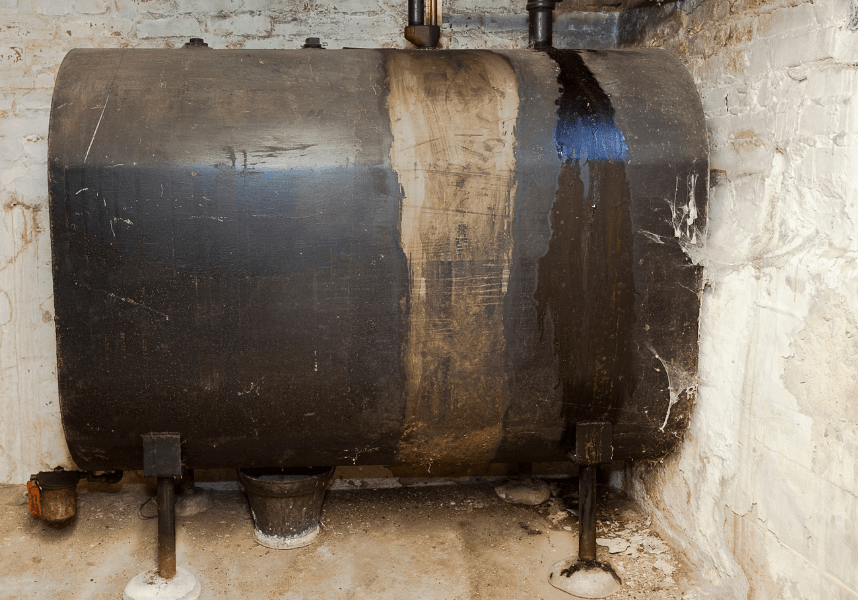
Most standard steel heating oil tanks last between 15–30 years, so age alone can become a concern for buyers—even if the system is still functioning.
While investing in a new tank might seem counterintuitive when you’re leaving, think of it as a strategic investment. A brand new modern tank with a fresh warranty is a “win” for a buyer. It removes one of the biggest negotiation hurdles and allows you to list the home with confidence.
It is possible that you do not recoup the full cost, but a new tank can help prevent price reductions during inspections and make your home more attractive compared to similar listings.
Note: If you have an underground oil tank, it may raise additional concerns for buyers due to potential environmental risks. In some cases, testing or removal may be recommended before listing.
Organize Your Paperwork
Organization is key. Having a folder with all necessary furnace and tank information is a must for building trust with a buyer and proving that you have been a responsible homeowner.
When a buyer sees a well-documented history, their fear of “oil heat” evaporates because they see a history of responsibility.
Create a folder to leave on the kitchen counter during showings. Include:
- Maintenance Records: Proof of annual tune-ups and cleanings.
- Fuel Delivery History: Show the buyer exactly what it costs to heat the home.
- Service Contract Details: Present your protection plan and service agreement.

This is how to reduce concern over a heating oil system, especially if the buyer is unfamiliar with it.
Handling the Leftover Oil in the Tank
When boxes are all neatly packed, it is likely that you’ll have some heating oil left in the tank that you will not get to use.
It is standard practice to have the buyer reimburse the home seller for the fuel remaining in the tank at closing.
To do so, arrange for your oil provider to come out and read the levels of your tank to get an accurate gallon count for the settlement statement.
Positioning Oil Heat as a Positive
Don’t let a buyer think of oil as “old-fashioned.” Frame it as the premium comfort choice it is:
- Safety First: Heating oil is non-explosive and does not carry the same explosion risks as natural gas or propane. It requires proper atomization and ignition systems to burn, making it a safe option for residential heating when properly maintained.
- Efficiency & Heat: Oil burns hotter than gas or electric heat pumps. That means when it’s 15 degrees in Pennsylvania, an oil-heated home with good insulation and system efficiency feels quite cozy.
Secure a Smooth Handoff
Preparation is key when selling a home, and your heating oil system is a part of it.
By inspecting early, organizing your documentation, and addressing potential concerns upfront, you can turn what might feel like a liability into a point of confidence for buyers.
Contact Sperr’s Fuel and Heating today to schedule your pre-sale system inspection or to request a final tank reading.
Let us help you make your move a comfortable one.

FAQs
Do I need to inspect my oil tank before selling my home?
You do not have to, but getting a professional inspection before listing your home is strongly recommended.
It allows you to identify and fix issues early, rather than being surprised during the buyer’s inspection.
Addressing problems ahead of time reduces stress, strengthens your negotiating position, and helps ensure a smoother closing process without last-minute delays.
What does a heating oil system inspection include?
A typical inspection involves evaluating the performance of the furnace and the tank for corrosion, leaks, or sludge buildup, as well as checking key system components like the heat exchanger, flue pipe, and safety controls.
The goal is to confirm the system is operating safely and efficiently, while identifying any repairs that may be needed before listing the home.
How do I know if my oil tank needs to be replaced?
Common warning signs include rust, weakened or unstable legs, small holes forming in the tank, and excessive sludge buildup inside.
If a technician flags these issues during inspection, replacement may be necessary.
Addressing it proactively can prevent negotiation setbacks and reassure buyers about the home’s condition.
Is replacing an oil tank worth it before selling?
Replacing a tank can be a strategic move, even if you’re leaving the home.
While you may not fully recover the cost, a new tank eliminates a major concern for buyers.
It can help avoid price negotiations, speed up the sale, and make your property more attractive compared to similar homes.
What paperwork should I provide to buyers about my oil system?
You should gather maintenance records, fuel delivery history, and any service agreements or protection plans.
This documentation shows that the system has been properly maintained over time.
Providing this information builds trust with buyers and helps alleviate concerns, especially if they are unfamiliar with oil heating systems.