
What You’ll Learn
How does heating oil impact my home insurance, and what should I know before buying or renewing a policy?
Heating oil is safe and effective, but insurers often view it as a higher risk due to the potential for leaks or environmental damage. It usually comes with additional insurance considerations, including environmental liability, tank age, and inspection requirements.
Understanding how your system affects your policy can help you avoid higher premiums, denied claims, or unexpected out-of-pocket costs.
In this blog:
Buying the house felt like a win.
The inspection went smoothly, the heating system worked, and the oil tank in the basement didn’t raise any red flags. It was just another part of the home, quietly doing its job in the background.
Then came the call from the homeowners’ insurance company.
There was a small, almost hesitant “Oh…” when you mentioned oil heat.
Then the barrage of questions started.
“How old is the tank?” “Is it above ground or underground?” “Has it been inspected recently?” “Any history of leaks?”
All about the thing you hadn’t worried about before.
Unfortunately, owning a home with oil heat isn’t just about keeping your house warm, which oil does easily; it’s a big part of your insurance profile.
If you have a home with oil heat, or you’re considering one, understanding how it affects your insurance can help you avoid surprises and make more confident decisions.
Why Insurance Companies View Oil Heating Differently
Insurance companies are focused on risk, and oil heating systems come with a unique one: the potential for leaks or spills.
While modern systems are safe when properly maintained, even a small oil leak can lead to:
- Property damage inside the home
- Soil contamination outdoors
- Costly environmental cleanup
Because of this, insurers may:
- Charge slightly higher premiums
- Require additional documentation or inspections
- Place limitations on coverage depending on the tank
This doesn’t mean oil heat is unsafe—it simply means insurers take a closer look at these systems.
Key Insurance Considerations for Homes with Oil Heating
Environmental Liability & Spills
One of the biggest concerns for insurers is environmental liability.
If an oil tank leaks, cleanup costs can be significant, especially if oil seeps into soil, groundwater, or nearby structures.
The level of risk can also depend on the type of tank you have:
- Above-ground tanks are generally easier to monitor and inspect, so leaks are more likely to be caught early. While they can still cause damage, issues are often identified before they spread extensively.
- Underground tanks, on the other hand, pose a higher risk and have largely been phased out over the years, because leaks can go unnoticed for longer periods. By the time a problem is discovered, oil may have already spread into surrounding soil or groundwater, increasing cleanup costs and complexity.
Because of this, some insurance companies place stricter limitations on underground tanks or may require additional coverage.
Not all standard policies fully cover environmental cleanup.
That’s why it’s important to review your policy carefully, ask about environmental liability coverage, and understand what costs you may be responsible for if a leak occurs.
Being informed now can help you avoid major surprises later.
Oil Tank Age and Condition
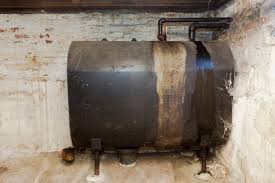
The age and condition of your oil tank play a major role in how insurers evaluate risk.
Many insurance companies:
- Prefer tanks that are under 20–30 years old
- May require documentation to verify tank age
- Are cautious about older tanks, or those showing visible wear
A newer tank that’s been properly maintained is far less likely to leak, making it more attractive to insurers. On the other hand, an aging tank, especially one showing signs of rust or wear, can raise red flags.
In some cases, insurers may:
- Increase your premium
- Limit coverage
- Require tank replacement before issuing a policy
Staying ahead of your tank’s condition can help you avoid these complications.
Inspection Requirements
To better understand the risk, some insurers will require an inspection before issuing or renewing a policy.
This is especially common when buying a home, switching insurance providers, or insuring an older tank.
The goal is to confirm that the system is safe, properly installed, and well-maintained.
During an inspection, insurers typically look for:
- Tank age and material
- Signs of rust, corrosion, or leaks
- Proper installation and support
- Condition of fuel lines and connections
A clean inspection not only helps you secure coverage but also gives you peace of mind that your system is in good shape.
Replacement Cost Coverage
Replacement cost coverage determines how much your insurance will pay if your oil tank or system is damaged.
- Actual cash value coverage factors in depreciation, meaning you may receive less than the cost of a new tank.
- Replacement cost coverage pays for a new system of a similar kind and quality.
Not all policies cover oil tanks the same way, so it’s important to understand whether your policy includes:
- Tank replacement
- Damage caused by leaks
- Environmental cleanup costs
Knowing what’s covered—and what isn’t—can make a significant difference if you ever need to file a claim.
Tips for Homeowners with Oil Heating
Disclose Your Fuel Type
Always inform your insurance provider that your home uses heating oil. Failing to disclose this information can lead to denied claims or policy issues down the line.
Stay on Top of Maintenance
Routine maintenance helps prevent leaks, improves system performance, and shows insurers that your system is well cared for.
Annual service and regular visual checks go a long way in reducing risk.
Consider Upgrading Older Systems
If your tank or heating system is older, upgrading can:
- Improve safety and efficiency
- Reduce the risk of leaks
- Make your home more favorable to insurers
In many cases, a new tank can simplify insurance requirements and provide long-term peace of mind.
When to Upgrade Your Tank or System
If your oil tank is approaching or exceeding 20–30 years old, or showing visible signs of wear, it may be time to start planning for a replacement.
This is especially important if you have an underground tank. Because underground tanks carry a higher risk of undetected leaks and are usually older, insurance companies often view them less favorably.
Upgrading to a modern above-ground tank can help reduce these concerns. Above-ground systems are easier to inspect, maintain, and monitor, making them more appealing to insurers and simplifying your coverage.
Upgrading before a problem occurs allows you to:
- Avoid emergencies and costs
- Maintain continuous insurance coverage
- Potentially reduce insurance-related concerns or costs
- Improve overall system reliability
Proactive replacement is often more cost-effective—and far less stressful—than reacting to a failure or insurance issue after the fact.
Sperr’s Fuel and Heating Can Help
Understanding heating oil insurance doesn’t have to be complicated. With the right system and proper maintenance, you can reduce risk, stay compliant, and avoid astronomical premiums.
Contact Sperr’s today if you’re unsure about the condition of your oil tank or want to make sure your system aligns with your insurance coverage.
We’re here to help you stay safe, efficient, and prepared.

FAQs
Is heating oil more expensive to insure than gas or electric?
In some cases, yes. Homes with oil heat may have slightly higher insurance premiums due to the added risk of on-site fuel storage and potential leaks. The difference is usually modest, but it depends on factors like the tank’s age, condition, and location.
Will my insurance cover an oil spill?
Coverage varies by policy. Some homeowners’ insurance policies include limited protection for environmental cleanup, while others may exclude it or cap the amount covered. It’s important to review your policy details or speak directly with your provider to understand your coverage.
How old can my oil tank be to be covered by insurance?
Many insurers prefer oil tanks to be 20–30 years old or younger. Older tanks may still be insurable, but they often require inspections, documentation, or higher premiums. In some cases, replacement may be required to maintain or obtain coverage.
Do I need an inspection to get insured?
Some insurance companies require inspections, especially when purchasing a home with oil heat or if the tank is older. These inspections help confirm the tank is in good condition and reduce the risk of leaks or future claims.
Does replacing my oil tank lower my insurance?
It can. Installing a newer oil tank reduces the likelihood of leaks and signals lower risk to insurers. This may help you qualify for better coverage terms, avoid restrictions, or potentially lower your premium over time.