

What You’ll Learn
How can I tell if my water heater is about to fail?
Water heaters rarely fail without warning. From unusual noises to rusty water and inconsistent hot water, there are often signs that something isn’t working the way it should.
Water heater problems can range from small repairs to major failures like leaks or tank ruptures. Knowing what to watch for can help you avoid cold showers, water damage, and emergency replacements.
In this blog:
- Understanding Water Heater Lifespan
- Signs Your Water Heater May Be Near the End of Its Life
- Problems Newer Water Heaters Can Still Have
- What to Do If You Notice Warning Signs
Same bathroom. Same faucet. Same morning routine.
But something was different—the water.
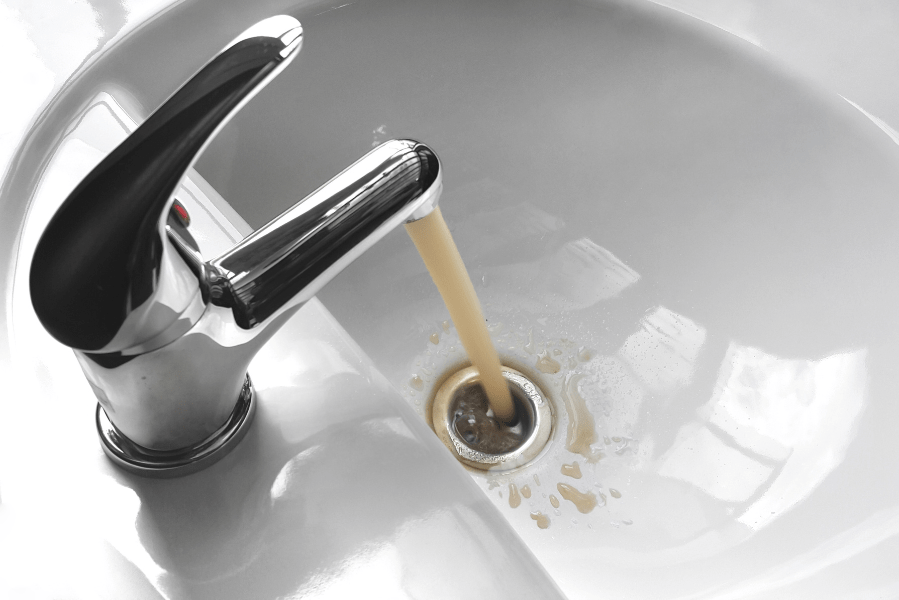
The tap sputtered out a cloudy, rusty-brown stream.
Then came a distant sound. Something between a pop and a knock.
The water was back to clear in a blink, but you still skipped your face wash.
Maybe the pipes needed a second to clear. Maybe the system just had an off day (don’t we all sometimes?)
Unfortunately, your water heater doesn’t get moody.
If your systems start behaving differently, it’s usually a signal that something is wrong.
Understanding Water Heater Lifespan
Most traditional tank water heaters last 8–12 years, though some can last longer with regular maintenance and favorable water conditions.
That said, age isn’t the only factor.
Water heaters experience years of:
- Heating and cooling cycles
- Mineral and sediment buildup
- Pressure changes
- Constant exposure to moisture
Over time, those conditions wear down the tank and internal components.
As a water heater nears the end of its lifespan, certain problems become more common and deserve attention sooner rather than later.
Common Signs of a Failing Water Heater
Internal Corrosion
One of the biggest long-term threats to a water heater is corrosion.
As the tank ages, protective components inside the unit—particularly the anode rod—gradually wear down. Once that protection weakens, interior rusting can begin.
This internal corrosion will start long before there’s any sign of rust on the exterior of the tank, which is why paying attention to other warning signs matters.
You may notice:
- Rust-colored or discolored hot water
- Metallic-tasting or unusual water
- Visible corrosion around fittings, valves, or tank seams
- Rust or moisture forming on the exterior of the tank
Over time, interior corrosion can weaken the tank walls and eventually lead to leaks or even tank rupture, making early attention especially important.
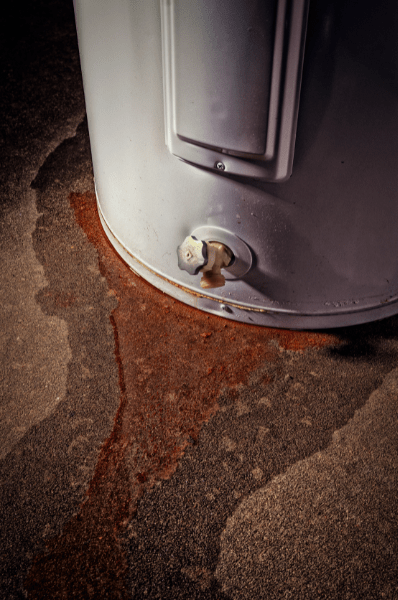
Leaks and Tank Ruptures
We all know about the spectacular water heater explosion thanks to online clips, but they rarely fail so dramatically. When a tank starts deteriorating, even small leaks become a real concern.
Watch for:
- Moisture around the tank base
- Small puddles nearby
- Dripping connections or damp flooring
An aging tank experiencing these issues can eventually rupture if the corrosion becomes severe.
Unlike a loose connection or valve leak, a ruptured tank cannot be repaired and requires replacement.
Valve Failures
Your water heater relies on several valves to operate safely.
Over time, these components can wear out or fail.
Common issues include:
- Leaking pressure relief valves
- Dripping fittings
- Water appearing near the top of the heater
Sometimes the fix is simple. Other times, valve problems may signal broader wear within the system.
Sediment Buildup and Strange Noises
If your water heater is making popping, rumbling, or banging sounds, sediment buildup could be to blame.
Over time, minerals settle at the bottom of the tank. As the heater warms the water, pockets of water trapped beneath the sediment heat up and release steam, causing the noises you hear.
Sediment buildup can:
- Reduce efficiency
- Increase heating time
- Force the system to work harder
- Contribute to premature failure
Those sounds may be annoying, but they’re often useful warning signs.
Failed Heating Elements
Electric water heaters rely on heating elements to warm water.
When an element begins failing, you may notice:
- Water that never gets fully hot
- Hot water running out quickly
- Inconsistent temperatures
A failed heating element can often be replaced, especially if caught early.
Rotten Egg or Sulfur Smells
A rotten-egg smell in your hot water is often caused by bacteria interacting with the water heater’s anode rod.
The odor may be caused by:
- Bacterial growth inside the tank
- Chemical reactions with minerals
- An aging anode rod
While unpleasant, this doesn’t always mean replacement is necessary, but it does mean the system should be inspected.
Problems Newer Water Heaters May Have
When your system is newer and nowhere near the end of its lifespan, it’s easy to think that it’s immune to problems.
But even systems that are only a few years old can develop issues.
Leaking from the Top or Connections
Leaks near the top of the unit often come from:
- Loose fittings
- Pipe connections
- Faulty valves
These problems are frequently repairable when addressed early.
Running Out of Hot Water Too Quickly
If hot water suddenly doesn’t last as long as it used to, the issue may involve:
- Heating elements
- Thermostat settings
- Sediment buildup
- Undersized system struggling with demand
A newer system running out of hot water doesn’t necessarily mean replacement—it simply means something may need attention.
Discolored or Smelly Water
Cloudy, rusty, or foul-smelling water can appear even in younger systems.
Potential causes include:
- Water quality issues
- Bacteria
- Anode rod problems
- Internal component wear
Because several issues can create similar symptoms, professional diagnosis is often the quickest path to a solution.
Unusual Noises
Popping, banging, or knocking sounds are not exclusive to old water heaters.
Newer systems may experience noise from:
- Early sediment buildup
- Water pressure issues
- Expansion and contraction inside the tank
If the sound is new or becoming more noticeable, it’s worth investigating.
What to Do If You Notice Warning Signs
Not every water heater problem means immediate replacement.
Many issues, especially with newer systems, can be repaired if caught early.
If you notice warning signs:
- Watch for leaks or standing water
- Pay attention to changes in water quality or temperature
- Avoid ignoring unusual noises
- Contact a service professional if symptoms persist
Addressing problems early can often prevent larger repairs and help extend your water heater’s lifespan.
Repair or Replace Your Hot Water Heater with Sperr’s
Water heaters rarely fail without warning, but those warnings are easy to overlook until hot water disappears or a leak appears.
At Sperr’s Fuel and Heating, we help homeowners diagnose water heater issues, determine whether repair or replacement makes the most sense, and restore reliable hot water quickly.
If your water heater is making noises, leaking, or simply not performing like it used to, contact Sperr’s today. We’ll help you understand what’s going on and recommend the right next step.

FAQs
What is the average water heater lifespan?
Most traditional tank water heaters last between 8 and 12 years, though maintenance, water quality, and usage habits can affect lifespan. Older systems may still operate beyond this range, but failure risk increases with age.
Can a leaking water heater be repaired?
It depends on where the leak is coming from. Valve or connection leaks can often be repaired, while leaks caused by tank corrosion or rupture usually require replacement.
Why does my water heater make popping or banging sounds?
These noises are often caused by sediment buildup inside the tank. As water heats beneath the sediment layer, trapped moisture creates popping or rumbling sounds.
What causes a rotten egg smell in hot water?
A sulfur or rotten egg odor is commonly caused by bacteria reacting with the water heater’s anode rod. While unpleasant, it is often repairable and does not always require replacing the heater.
Should I replace my water heater before it fails?
If your system is approaching the end of its expected lifespan and showing warning signs like leaks, corrosion, or inconsistent heating, planning ahead for replacement can help avoid emergency breakdowns and water damage.