

What You’ll Learn
How can I lower my heating bill during the winter?
There are quite a few simple cold-weather habits—like lowering your thermostat, replacing filters, or simply opening your window blinds—that can help you use less oil while staying warm and comfortable.
In this blog
That first winter bill always stings.
It’s that exact moment you find yourself marching down to the basement, staring at the tank gauge, and doing a bit of fun mental math: “Okay, how long until I have to call for a refill?”
Now, we can’t stop winter from showing up on our doorsteps here in PA, but you can absolutely stop your heating oil from slipping through the cracks.
And no, you don’t have to freeze your tail off to do it.
With some simple, everyday adjustments, you’ll keep your home cozy, keep your furnace happy, and make your fuel budget stretch a lot further.
1. Lowering Your Thermostat
Turning down your thermostat just a couple of degrees can cut your heating bill by up to 3% per degree.
It’s a tiny tweak you’ll barely even notice, but your oil tank definitely will.
Plus, you can also go beyond a couple of degrees when you’re away. Who’s feeling the heat when you’re not home anyway? Ghosts?
At night, you only really need your bedroom to be warm. A heavy blanket and small space heater can keep you cozy while giving your furnace a break.
2. Installing a Smart Thermostat
Smart thermostats learn your household patterns and manage temperature changes automatically.
You can program them to lower the heat when everyone’s asleep or out of the house.
By doing so, you’ll waste less heat and enjoy reliable comfort and fuel savings.

3. Keeping Filters Clean and Vents Unblocked
Your furnace needs to breathe. When your air filter is caked in dust and pet dander, your system has to work twice as hard—and burn more oil—just to push warm air through those clogged fibers.
Make it a habit to check your furnace filter every single month during the winter.
If it looks grey and dirty, swap it out.
While you’re at it, do a quick walkthrough of your rooms. Make sure you don’t have a giant armchair, a thick rug, or heavy drapes blocking your heating vents.
If the heat can’t get into the room, your furnace will just keep running and running to chase a temperature it can’t reach.
4. Maintaining Your Furnace Yearly
Annual professional furnace tune-ups are non-negotiable.
Your technician cleans soot, tests efficiency, and catches minor issues before they cause costly breakdowns.
Routine maintenance ensures that your burner runs clearly and safely, maximizing every gallon of oil you buy.
Make sure to schedule maintenance in early fall so you’re ready for the first cold snap, and avoid the winter rush.
And if you skipped out on your pre-winter inspection, schedule one as soon as possible!
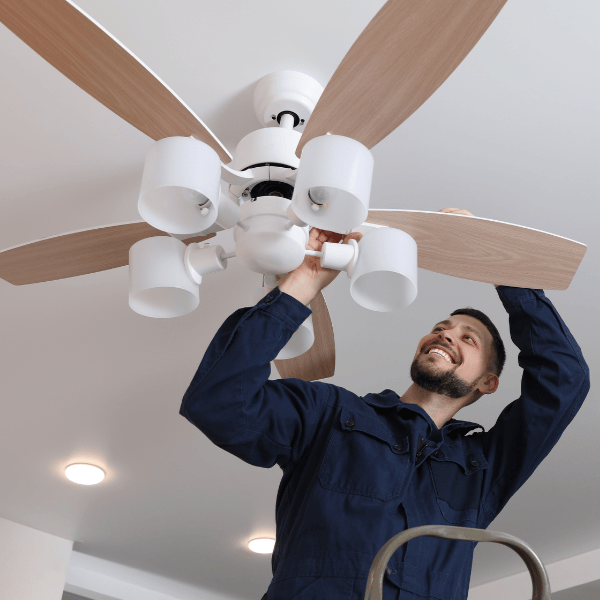
5. Flipping Your Ceiling Fans Clockwise
Did you know your ceiling fan can help your room feel warmer?
Warm air naturally rises and pools near the ceiling—where you don’t hang out.
When you flip the small switch on a ceiling fan to spin clockwise at a low speed, the fan pulls cold air up, which then pushes warm air near the ceiling down the walls and back towards the floor.
This simple change allows you to lower your thermostat without losing heat.
6. Sealing Drafts on Windows and Doors
Air leaks are silent oil thieves. Even small gaps around doors and windows let warm air escape, and let cold air sneak in.
By using weatherstripping or caulk to seal problem spots, you can reduce air leaks.
It’s simple enough that you can DIY.
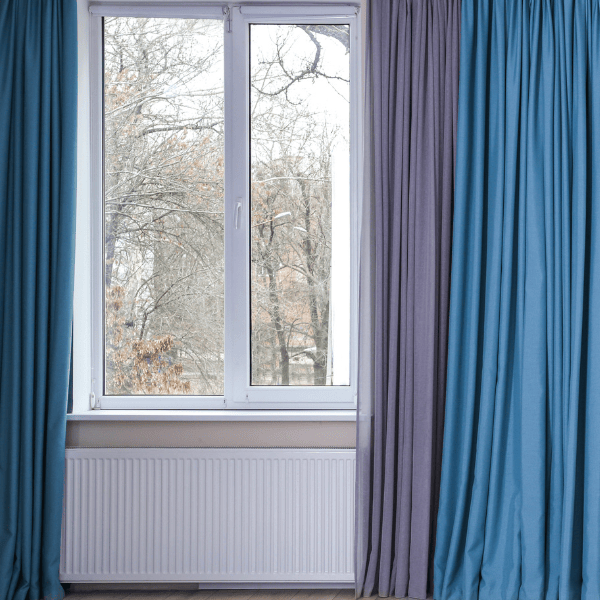
7. Using Natural Warmth on Sunny Days
Your shades can do double duty—letting in natural warmth by day, and holding it in by night.
When those “hot” sunny days hit, keep blinds and curtains open to let the heat in, and close them once the sun sets.
This simple cycle can reduce how often your furnace needs to run, easing oil use without changing the thermostat.
8. Keeping Your Oil Tank Above One-Quarter Full
Letting your tank run too low can pull sediment from the bottom into your fuel lines.
This can cause clogs and costly service calls. And it lowers your furnace’s efficiency.
To prevent it, refill your tank when it reaches ¼ full.
Sperr’s Residential Fuel and Heating offers automatic delivery; that way, you never have to worry about running too low or out.
Keeping oil in your tank prevents damage, maintains fuel consistency, and reduces the anxiety of wondering if you’ll run out during a cold spell.
9. Ditching the “Big Bill Shock” with a Budget Plan
Winter heating bills tend to hit right after the holidays, exactly when your wallet is already feeling light.
Instead of getting slammed with massive bills in January and February, our Budget Plan takes your estimated annual oil usage and spreads the cost evenly over 12 predictable, monthly payments.
You can contact Sperr’s Residential Fuel and Heating to ask about our oil budget plans.
We use your oil usage history and a list of oil-using appliances in your home to calculate your monthly rate. If we happen to overestimate your usage, you get credited back.
It’s just simple, straightforward planning to keep your household budget smooth and stress-free.
Keep Yourself Warm—and Save Money—All Winter Long
Saving money on your heating bill doesn’t require a miracle. It just takes a few smart, consistent habits.
By keeping your filters clean, sealing up a few drafts, and getting your system serviced, you’re protecting your wallet and making sure your furnace lasts for the long haul.
If you’re tired of worrying about unpredictable winter bills, give us a shout at Sperr’s Fuel and Heating.
Let’s talk about getting you set up on our Budget Plan and Automatic Delivery. It’s easy, it’s reliable, and it just makes sense.

FAQs
How can I reduce my heating oil costs?
Small daily habits, like lowering your thermostat or opening your blinds, can significantly reduce fuel use.
When combined, these adjustments can keep your home consistently warm while keeping costs in check.
Does lowering my thermostat really make a difference?
Absolutely! Dropping your thermostat 1-2 degrees can lower your heating bill by up to 3% per degree. The change is subtle enough that you likely won’t feel colder, but your furnace will be able to conserve some fuel.
How often should I have my furnace serviced?
You should service your furnace at least once a year, and usually before winter begins. Professional technicians clean soot buildup, check safety features, and optimize performance.
Regular tune-ups catch small issues before they become costly repairs and ensure your furnace runs all season efficiently.
Can ceiling fans really help in winter?
Yes! When set to spin clockwise at a low speed, ceiling fans can recycle warm air to where you want it. This creates more even temperatures throughout your home.
What are heating oil budget plans, and how can they help me?
A budget plan typically divides your total annual heating costs into predictable monthly payments.
Sperr’s Residential Fuel and Heating offers 10, 11, and 12-month plans to spread your expenses throughout the year, reducing stress, maintaining comfort, and better managing your household budget during cold months.
We calculate your monthly rate by assessing your oil usage history and knowing what oil-dependent appliances you use.