Did you know that 5.5 million households in the United States use oil as their primary heating source? If you use this heat source, then the last thing you want is for your oil furnace to stop working — especially in the winter. Unfortunately, every oil furnace is bound to experience difficulties at some point.
So what do you do when the heat stops working? To help you figure it out, we’ve organized this oil furnace troubleshooting guide. In it, we go over some of the problems that often affect these HVAC devices. If you aren’t able to fix it on your own, then we’ll also help you find a reliable company to fix it. Let’s get started!
Oil Furnace Troubleshooting: Common Problems
Let’s start easy. There are generally some simple problems that anyone can solve without calling a service repair person. First, make sure that your thermostat is working properly. The fan mode on the device should be set about to automatic and the mode should be set to heat. If it’s not the thermostat, then the next thing you should check is the fuel supply.
We recommend using a dipstick to check the tanks themselves. The gauge itself could be malfunctioning which would give false readings. If your fuel supply is low, then simply contact your supplier and order more. If your fuel supply is fine, then it’s time for a cursory check of the furnace. Use your sense to inspect it.
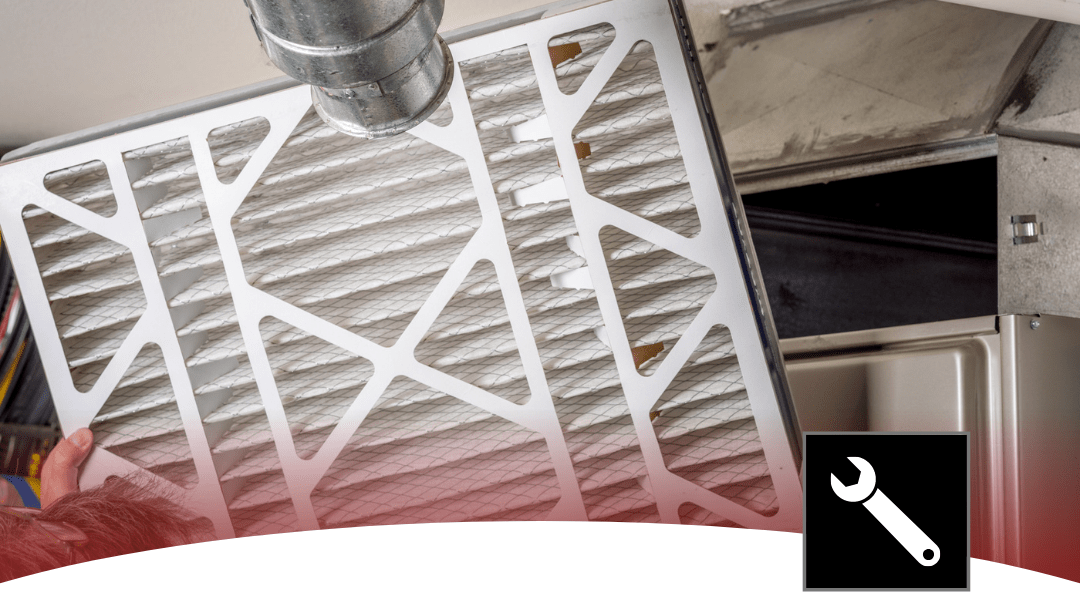
Do you hear it running? Is the exterior cabinet warm when you touch it? During this time you should also check the air filter. A dirty air filter can block the flow of air into the furnace. It’s one of the most common maintenance mistakes that homeowners make.
As such, if it’s dirty, then purchase a replacement. In some cases, a lack of airflow can be caused by a clogged duct. However, we generally recommend contacting a professional to handle this.
Still Having Trouble? Try These Tips
If some of the simple troubleshooting tips didn’t fix your furnace, then don’t despair! There are still some simple steps you can take to potentially fix it yourself. First, find out if your furnace is running. Crank up your thermostat by five or ten degrees and listen to the oil furnace. You should hear it sputter to life.
If there’s not sputter, then try switching the fan setting from the ‘automatic’ mode to the ‘on’ mode. Listen for air. If you don’t hear anything, then it means the fan isn’t running. This is likely due to the circuit breaker. If you check the circuit breaker and it’s tripped, then be careful about resetting it.
The problem likely lies in the circuit capacity and wiring of the breaker. As such, you should contact an electrician or else it will just trip again. If you hear the fan running, then your circuit breaker is fine. Next, find the control module on the oil furnace. Locate the reset button on the module and see if it’s popped up.
If it is, then there may be something blocking the flow. Press down on the popped reset button, then check the inline filter. If it’s clogged, then you will need to either clean or replace it. If the reset button pops up again, then make sure you don’t press it. Doing so could result in an explosion. Instead, contact a professional.
Pay Attention to the Sounds
There are some instances where you should skip directly ahead to professional help. For example, if you hear knocking sounds, then the problem is likely to air in the line. A pro can easily help you purge them. Other sound-related problems you can usually handle yourself.
A rattling sound is likely due to a loose control module. When these modules get loose they carry an annoying sound through the air. Problems with the belt and blower motor can also cause a squealing sound. To fix this, simply turn off the furnace and place a few drops of oil on any oil ports around your furnace.
When Should You Call a Professional?
There are some instances when you should skip right to a professional. For example, leaks in the service line can allow air into your system. Similarly, soot in the burner chamber can also decrease the performance of your furnace.
Both of these problems should be corrected by an expert. However, if you aren’t confident in your maintenance skills, then don’t be afraid to contact a professional. Beginners can make serious mistakes when trying to fix their oil furnaces that can be potentially life-threatening.
How to Prevent Your Oil Furnace From Breaking Down
The best way to prevent problems with your oil furnace is to take good care of it. This means regularly replacing your filters, cleaning the vacuum wheel, and keeping the fuel levels high.
We also recommend getting it regularly serviced for maintenance inspections. This is vital for preventing carbon monoxide-related poisoning. If you want to know how often, then make sure to check out this guide here.
Need Help With Your Oil Furnace? Get In Touch With Sperr’s Fuel and Heating Company
We hope this oil furnace troubleshooting guide helped you fix your HVAC device. If you’ve tried everything, or you aren’t confident making repairs, then we recommend contacting your oil supplier. If your supplier doesn’t offer repair services, then you should consider changing to a business like Sperr’s Fuel and Heating Company.
Not only does our company offer residential, commercial, and industrial oil delivery, we also make sure your furnace is taken care of. That means yearly furnace cleanings, burner tune-ups, service calls, and replacement parts. So, if your ready to sign up for an oil supplier that cares about your warmth, then contact Sperr’s Fuel and Heating Company today.